Google Sheets UI for n8n Workflow

Last edited 206 days ago
Google Sheets UI for Workflow Control
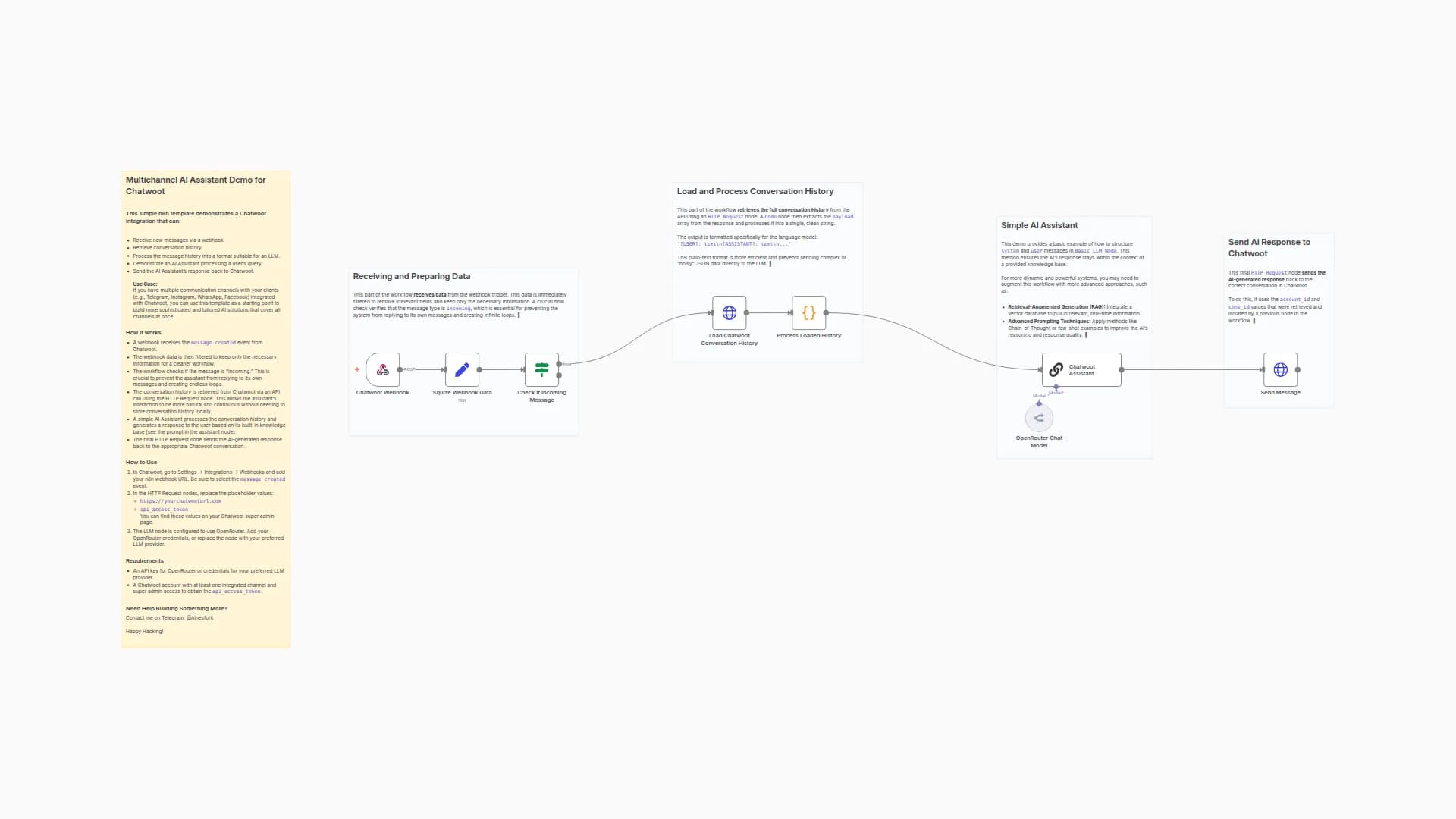
This n8n template provides a practical and efficient way to manage your n8n workflows using Google Sheets as a user-friendly interface. It demonstrates how to leverage a simple spreadsheet to control inputs, capture outputs, and track the processing status of individual data rows, offering a clear and visual overview of your automation tasks.
Purpose of This Template:
The primary purpose of this template is to illustrate how Google Sheets can serve as a dynamic UI for your n8n automations. It's designed for n8n users who need:
- A structured method to feed specific data into their workflows.
- The ability to selectively trigger workflow execution based on data status.
- A centralized place to view and store workflow outputs alongside original inputs.
- A simple, no-code solution for managing workflow data without building custom applications.
Setup Instructions:
To use this template, follow these steps:
- Create a Google Sheet: Set up a new Google Sheet (see the template here) with three columns:
Color,Status, andNumber. Populate theColorcolumn with some sample data (e.g., color names) and set theStatusfor the rows you want to process toREADY. - Import the n8n Workflow: Import this n8n template into your n8n instance.
- Configure Google Sheets Nodes:
- For the first Google Sheets node (Read operation), ensure it's connected to your newly created Google Sheet and configured to read rows where the
Statuscolumn isREADY. You will need to authenticate your Google Sheets account. - For the second Google Sheets node (Update operation), ensure it's also connected to the same Google Sheet. The node should automatically map the
row_number,Number, andStatusfields from the preceding nodes.
- For the first Google Sheets node (Read operation), ensure it's connected to your newly created Google Sheet and configured to read rows where the
- Execute the Workflow: Run the workflow. Observe how it reads
READYrows, processes them (calculates string length), and updates theNumberandStatuscolumns in your Google Sheet toDONE. - Control Execution: To process new data, simply add new rows to your Google Sheet and set their
StatustoREADY. Rerunning the workflow will then only process these new entries.
For more details and context on this approach, you can refer to the related blog post here.
You may also like

New to n8n?
Need help building new n8n workflows? Process automation for you or your company will save you time and money, and it's completely free!