Organize & Analyze Creative Assets with ScrapeGraphAI and Google Sheets Dashboard


Last edited 206 days ago
Creative Asset Manager with ScrapeGraphAI Analysis and Brand Compliance
🎯 Target Audience
- Creative directors and design managers
- Marketing teams managing brand assets
- Digital asset management (DAM) administrators
- Brand managers ensuring compliance
- Content creators and designers
- Marketing operations teams
- Creative agencies managing client assets
- Brand compliance officers
🚀 Problem Statement
Managing creative assets manually is inefficient and error-prone, often leading to inconsistent branding, poor organization, and compliance issues. This template solves the challenge of automatically analyzing, organizing, and ensuring brand compliance for creative assets using AI-powered analysis and automated workflows.
🔧 How it Works
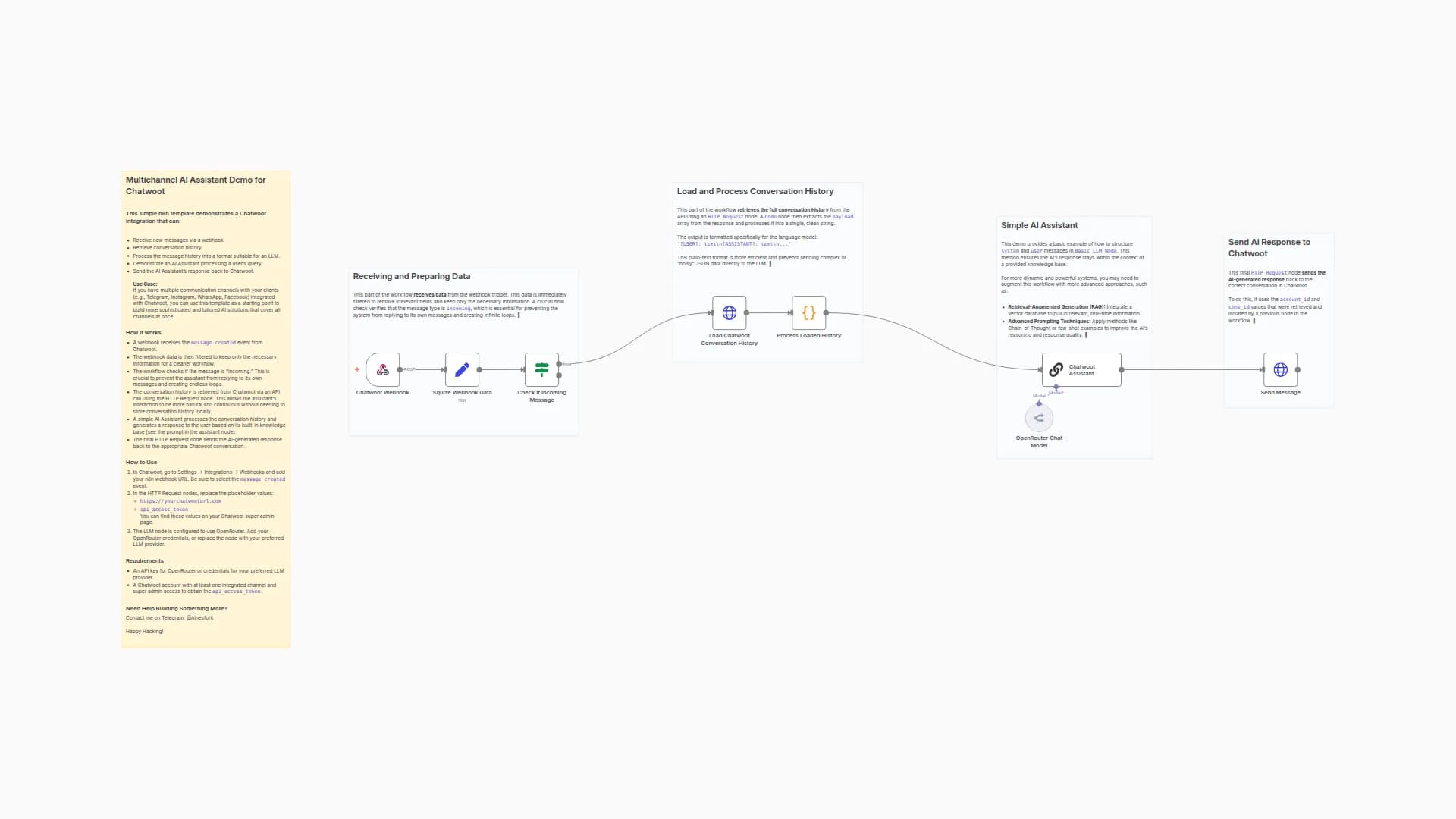
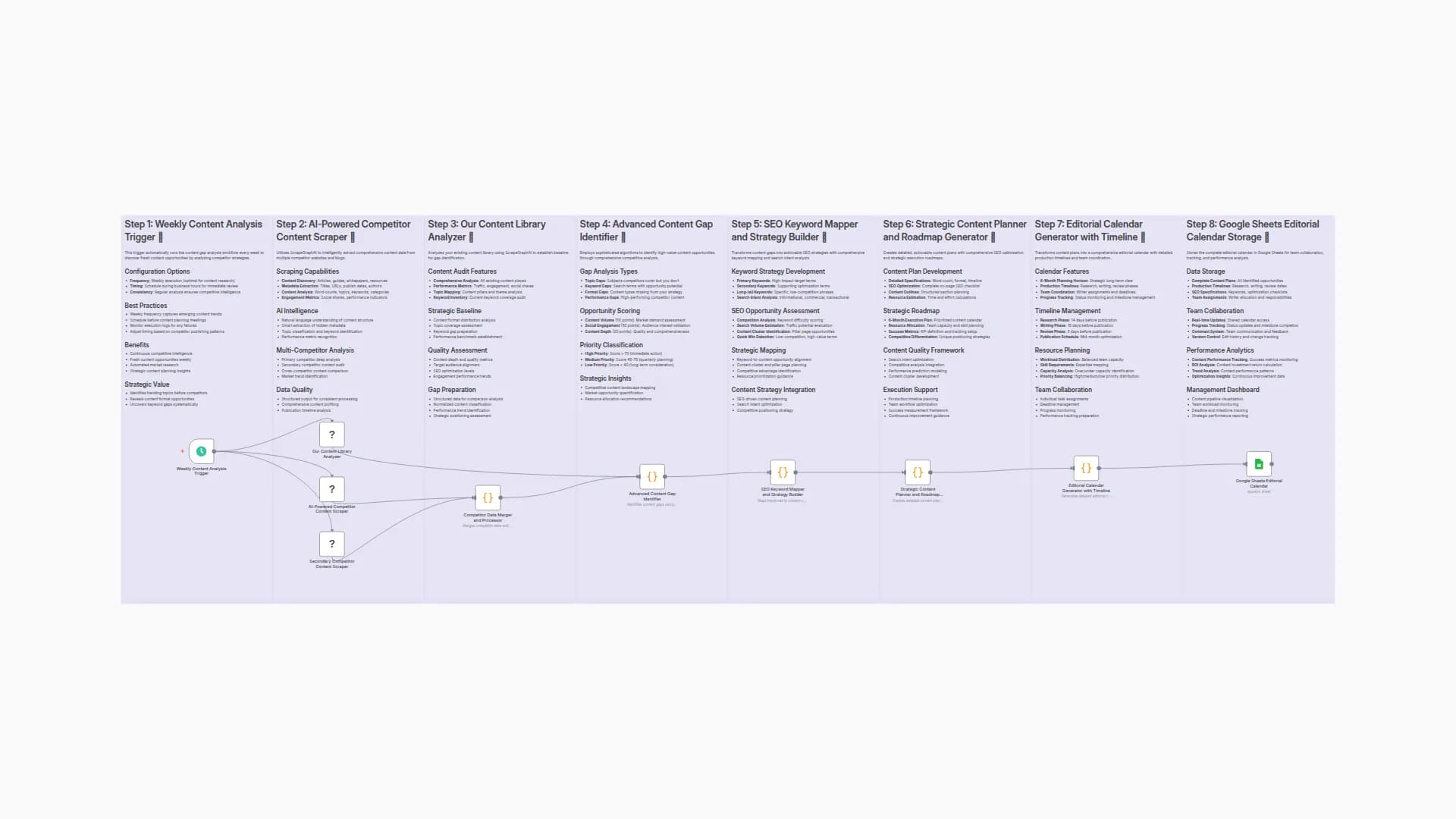
This workflow automatically processes uploaded creative assets using ScrapeGraphAI for intelligent analysis, generates comprehensive tags, checks brand compliance, organizes files systematically, and maintains a centralized dashboard for creative teams.
Key Components
- Asset Upload Trigger - Webhook endpoint that activates when new creative assets are uploaded
- ScrapeGraphAI Asset Analyzer - Uses AI to extract detailed information from visual assets
- Tag Generator - Creates comprehensive, searchable tags based on asset analysis
- Brand Compliance Checker - Evaluates assets against brand guidelines and standards
- Asset Organizer - Creates organized folder structures and standardized naming
- Creative Team Dashboard - Updates Google Sheets with organized asset information
📊 Google Sheets Column Specifications
The template creates the following columns in your Google Sheets:
Column
Data Type
Description
Example
asset_id
String
Unique asset identifier
"asset_1703123456789_abc123def"
name
String
Standardized filename
"image-social-media-2024-01-15T10-30-00.jpg"
path
String
Storage location path
"/creative-assets/2024/01/image/social-media"
asset_type
String
Type of creative asset
"image"
dimensions
String
Asset dimensions
"1920x1080"
file_format
String
File format
"jpg"
primary_colors
Array
Extracted color palette
["#FF6B35", "#004E89"]
content_description
String
AI-generated content description
"Modern office workspace with laptop"
text_content
String
Any text visible in asset
"Welcome to our workspace"
style_elements
Array
Detected style characteristics
["modern", "minimalist"]
generated_tags
Array
Comprehensive tag list
["high-resolution", "brand-logo", "social-media"]
usage_context
String
Suggested usage context
"social-media"
brand_elements
Array
Detected brand elements
["logo", "typography"]
compliance_score
Number
Brand compliance score (0-100)
85
compliance_status
String
Approval status
"approved-with-warnings"
compliance_issues
Array
List of compliance problems
["Non-brand colors detected"]
upload_date
DateTime
Asset upload timestamp
"2024-01-15T10:30:00Z"
searchable_keywords
String
Search-optimized keywords
"image social-media modern brand-logo"
🛠️ Setup Instructions
Estimated setup time: 25-30 minutes
Prerequisites
- n8n instance with community nodes enabled
- ScrapeGraphAI API account and credentials
- Google Sheets account with API access
- File upload system or DAM integration
- Brand guidelines document (for compliance configuration)
Step-by-Step Configuration
1. Install Community Nodes
# Install required community nodes
npm install n8n-nodes-scrapegraphai
2. Configure ScrapeGraphAI Credentials
- Navigate to Credentials in your n8n instance
- Add new ScrapeGraphAI API credentials
- Enter your API key from ScrapeGraphAI dashboard
- Test the connection to ensure it's working
3. Set up Google Sheets Connection
- Add Google Sheets OAuth2 credentials
- Grant necessary permissions for spreadsheet access
- Create a new spreadsheet for creative asset management
- Configure the sheet name (default: "Creative Assets Dashboard")
4. Configure Webhook Trigger
- Set up the webhook endpoint for asset uploads
- Configure the webhook URL in your file upload system
- Ensure
asset_urlparameter is passed in webhook payload - Test webhook connectivity
5. Customize Brand Guidelines
- Update the Brand Compliance Checker node with your brand colors
- Configure approved file formats and size limits
- Set required brand elements and fonts
- Define resolution standards and quality requirements
6. Configure Asset Organization
- Customize folder structure preferences
- Set up naming conventions for different asset types
- Configure metadata extraction preferences
- Set up search optimization parameters
7. Test and Validate
- Upload a test asset to trigger the workflow
- Verify all analysis steps complete successfully
- Check Google Sheets for proper data formatting
- Validate brand compliance scoring
🔄 Workflow Customization Options
Modify Analysis Parameters
- Adjust ScrapeGraphAI prompts for specific asset types
- Customize tag generation algorithms
- Modify color analysis sensitivity
- Add industry-specific analysis criteria
Extend Brand Compliance
- Add more sophisticated brand guideline checks
- Implement automated correction suggestions
- Include legal compliance verification
- Add accessibility compliance checks
Customize Organization Structure
- Modify folder hierarchy based on team preferences
- Implement custom naming conventions
- Add version control and asset history
- Configure backup and archiving rules
Output Customization
- Add integration with DAM systems
- Implement asset approval workflows
- Create automated reporting and analytics
- Add team collaboration features
📈 Use Cases
- Brand Asset Management: Automatically organize and tag brand assets
- Compliance Monitoring: Ensure all assets meet brand guidelines
- Creative Team Collaboration: Centralized asset management and sharing
- Marketing Campaign Management: Organize assets by campaign and context
- Asset Discovery: AI-powered search and recommendation system
- Quality Control: Automated quality and compliance checks
🚨 Important Notes
- Respect ScrapeGraphAI API rate limits and terms of service
- Implement appropriate delays between requests to avoid rate limiting
- Regularly review and update brand guidelines in the compliance checker
- Monitor API usage to manage costs effectively
- Keep your credentials secure and rotate them regularly
- Consider data privacy and copyright compliance for creative assets
- Ensure proper backup and version control for important assets
🔧 Troubleshooting
Common Issues:
- ScrapeGraphAI connection errors: Verify API key and account status
- Webhook trigger failures: Check webhook URL and payload format
- Google Sheets permission errors: Check OAuth2 scope and permissions
- Asset analysis errors: Review the ScrapeGraphAI prompt configuration
- Brand compliance false positives: Adjust guideline parameters
- File organization issues: Check folder permissions and naming conventions
Support Resources:
- ScrapeGraphAI documentation and API reference
- n8n community forums for workflow assistance
- Google Sheets API documentation for advanced configurations
- Digital asset management best practices
- Brand compliance and governance guidelines
You may also like
New to n8n?
Need help building new n8n workflows? Process automation for you or your company will save you time and money, and it's completely free!